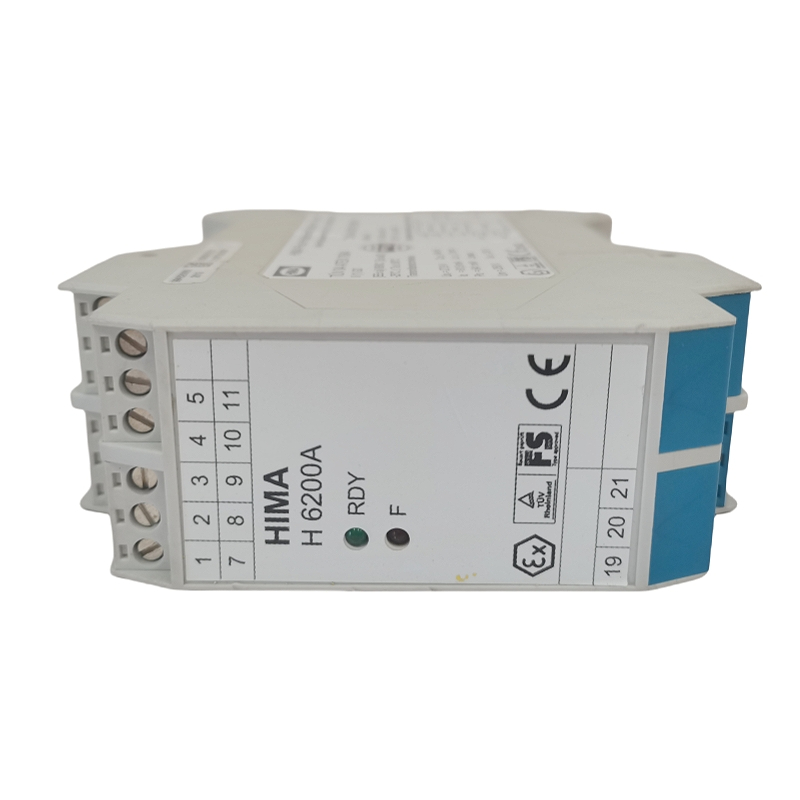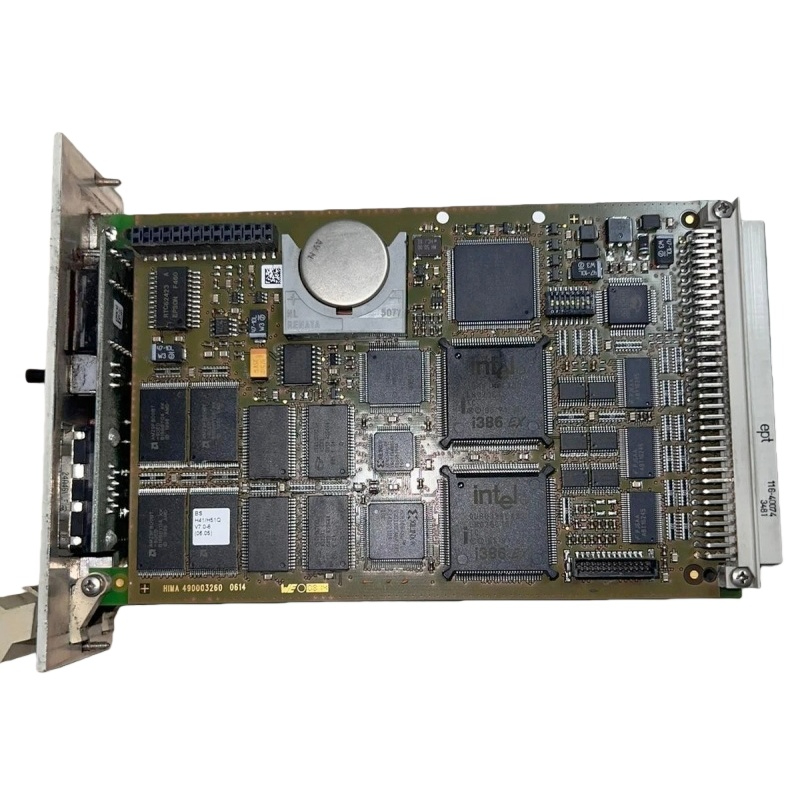

Selecting the HIMA F8650X as the core of your Safety Instrumented System (SIS) is a decisive step toward best-in-class risk reduction. However, the superior capabilities of this safety controller are fully realized only through meticulous planning, disciplined engineering, and a deep understanding of functional safety principles. This guide outlines the critical phases and considerations for successfully deploying the F8650X, from initial concept to commissioning and long-term operation.
Phase 1: Safety Lifecycle Alignment and Conceptual Design
The journey begins long before the hardware is ordered. The F8650X is a tool to implement a safety function, not a replacement for the safety engineering process.
-
Hazard and Risk Analysis (HAZOP/LOPA): The performance requirements for the F8650X are derived from a thorough process hazard analysis. Techniques like Layer of Protection Analysis (LOPA) will define the necessary Safety Integrity Level (SIL) for each Safety Instrumented Function (SIF). The F8650X is certified for SIL 3, but each SIF it executes must have a clearly defined target SIL (1, 2, or 3) and a required Probability of Failure on Demand (PFDavg).
-
SIS Safety Requirements Specification (SRS): This is the foundational document. It must unambiguously define whateach SIF must do (the logic) and how wellit must do it (the safety performance, including response time). The SRS dictates the configuration of the F8650X—its I/O count, scan time, diagnostic test intervals, and communication needs.
-
Architectural Planning: Determine the redundancy requirements. While the F8650X CPU itself is inherently redundant, the overall SIS architecture (sensors, logic solver, final elements) must meet the architectural constraints for the target SIL. Will you use a single F8650X chassis, or a redundant pair (e.g., for extremely high availability)? Plan the I/O layout, considering the need for segregated or isolated channels for different SIFs.
Phase 2: Detailed Engineering and Configuration
This phase involves translating the SRS into a working system using HIMA's dedicated engineering tool, Safety Designer.
-
Hardware Configuration: Within Safety Designer, the engineer builds a virtual model of the physical hardware: the F8650X CPU, power supplies, communication modules (e.g., for PROFINET or HART), and the various I/O modules for digital and analog signals. The tool enforces rules to ensure the configuration aligns with safety certification.
-
Application Logic Programming: The safety logic for each SIF is programmed. HIMA systems typically use certified Function Block Diagrams (FBDs) or ladder logic (LD) within the Safety Designer environment. A key strength is the use of pre-certified, tested function blocks for common safety operations (timers, voters, comparators), which reduces the chance of systematic errors. The logic must be clear, simple, and traceable back to the SRS.
-
Diagnostic and Test Strategy Implementation: A core requirement of IEC 61511 is proving the system's health. The engineer must program diagnostic function blocks and define the test procedures for field devices. The F8650X can automate device diagnostics (e.g., HART device checks) and facilitate partial stroke testing of valves, logging all results for proof of functional safety.
Phase 3: Validation, Commissioning, and Safety Validation
This is the critical proof stage where the installed system is verified against the original specifications.
-
Factory Acceptance Test (FAT): Before shipment, a comprehensive FAT should be performed. This tests the fully configured F8650X system in a workshop environment. Every input and output is stimulated, every piece of logic is tested, and the response to fault injections (simulated sensor failures, wire breaks) is verified. The FAT protocol is a direct check against the SRS.
-
Site Installation and Checkout: After careful installation following HIMA's guidelines (grounding, segregation of cables), a full loop check is performed. Each field device is validated from sensor to final element, confirming that the real-world wiring matches the software configuration.
-
Safety Validation (Site Acceptance Test - SAT): This is the final, formal proof. The complete SIS, with the F8650X at its center, is tested under conditions as close to real operation as possible. The validation report, signed by all stakeholders, provides evidence that the safety system meets all the requirements of the SRS. This document is legally crucial.
Phase 4: Operation, Maintenance, and Management of Change
The work doesn't stop at commissioning. Maintaining the system's safety integrity over its lifecycle is mandated.
-
Operation and Bypass Management: The F8650X provides secure, logged procedures for temporarily bypassing a SIF for maintenance, with strict time limits and permissions. All bypass events are audited.
-
Proof Testing: The periodic proof tests defined in the SRS must be executed on schedule. The F8650X's event historian and testing features are essential tools for managing and documenting this.
-
Management of Change (MoC): Any modification to the hardware, software, or the process itself that could affect a SIF must trigger a formal MoC procedure. This involves re-assessing the HAZOP/LOPA, updating the SRS, and re-validating the modified parts of the F8650X configuration.
Final Note on Success
Successfully implementing the HIMA F8650X is a multidisciplinary endeavor that bridges process safety engineering, automation design, and rigorous project management. It demands a team that respects both the technical prowess of the hardware and the disciplined framework of the functional safety lifecycle. By following this structured approach, you ensure that the F8650X transitions from being a powerful component in a cabinet to becoming the reliable, certified guardian of your plant's most critical safety functions, delivering peace of mind and operational excellence for its entire service life.