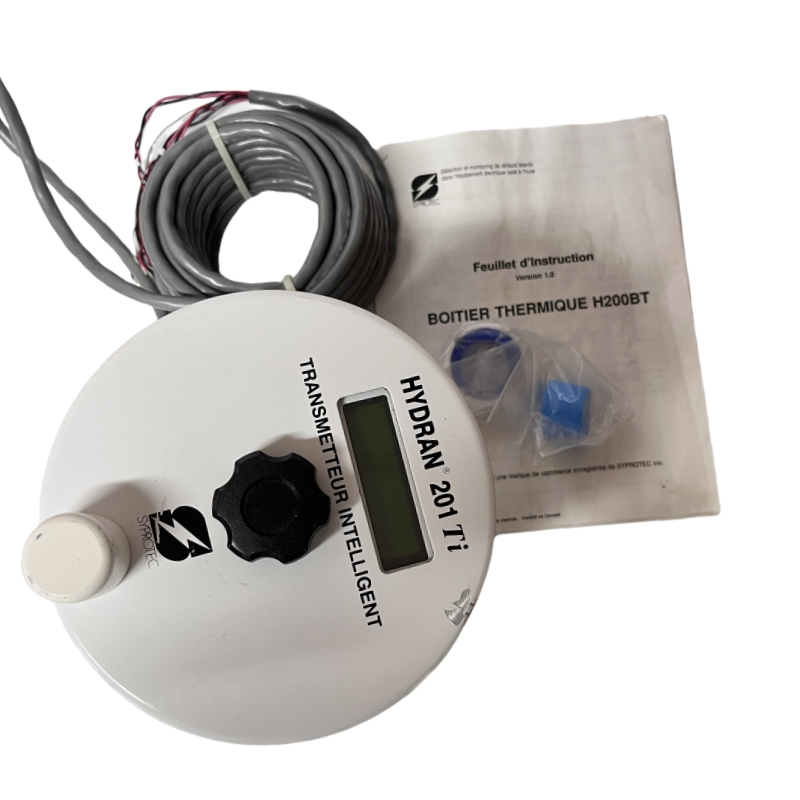

The electrical transformer is the workhorse of the transmission and distribution grid, a high-value asset operating 24/7 under immense electrical and thermal stress. Its failure is never an option. While utilities and industrial operators have long accepted routine maintenance as a cost of doing business, forward-thinking organizations are now redefining "reliability" through predictive analytics. Central to this transformation is the deployment of robust online monitoring systems, with the GE H201TI Transformer Monitor standing out as a best-in-class solution for holistic health assessment. Implementing such a system isn't just an installation; it's adopting a new philosophy for asset management.
Why Online Monitoring is Now a Necessity, Not a Luxury
The economic equation has shifted. The cost of an unplanned transformer outage—including emergency repair, replacement power purchases, and regulatory penalties—can dwarf the investment in a premium monitoring system. Furthermore, an aging workforce and remote substations make frequent physical inspections less feasible and more costly. Regulatory bodies are also increasingly emphasizing proof of due diligence in asset health management.
Traditional DGA, while valuable, is a lagging indicator. Imagine trying to manage your personal health by getting a blood test only once a year—you might miss critical developments. Online monitoring like the H201TI provides that continuous "blood panel," turning transformer management from a sporadic check-up into continuous, critical care.
A Deep Dive into GE H201TI’s Diagnostic Prowess
The genius of the GE H201TI lies in its integrated, multi-parameter design. It doesn't rely on a single data point but creates a cohesive diagnostic picture.
-
The Gold Standard: Continuous DGA. The H201TI uses a membrane-based extraction system and robust gas sensors to provide on-site DGA. This allows for tracking not just absolute gas levels, but more importantly, the rate of gas generation (RGG). A slow, steady increase in methane might indicate minor overheating, while a rapid rise in hydrogen coupled with acetylene signals an urgent, high-energy electrical fault. This trend data is irreplaceable.
-
Context is Key: Correlating Gases with Operational Data. A spike in combustible gases is alarming, but what caused it? The H201TI answers this by correlating DGA with load and temperature. Did the fault gases rise during a system through-fault or an overload period? This context allows engineers to distinguish between a one-off stress event and a persistent internal defect, guiding the correct operational response.
-
Beyond Gases: Comprehensive Health Metrics. The monitor tracks moisture-in-oil levels, a critical parameter as moisture accelerates cellulose aging and reduces dielectric strength. Combined with top-oil and ambient temperature data, the system can calculate hot-spot temperature and insulation aging rate in real-time, providing a direct view of the asset's remaining useful life.
Implementing for Success: A Phased Approach
Successful implementation of GE H201TI monitoring follows a strategic pattern:
-
Phase 1: Prioritize Assets. Start with your most critical units: transformers feeding key load centers, those with known historical issues, older units, or those operating at or near capacity.
-
Phase 2: Ensure Proper Installation. Work with certified technicians to ensure correct mounting, oil loop connection, and wiring. A proper installation is foundational for data accuracy and device longevity in harsh substation environments.
-
Phase 3: Integration and Baseline. Integrate the H201TI’s data stream into your control room and asset management software. Establish a baseline for all parameters. The first few months of data are crucial for understanding the transformer's "normal" signature.
-
Phase 4: Develop Response Protocols. This is the most critical human element. Train your teams. Develop clear, written protocols for different alarm levels. What does a "Warning" versus a "Critical" gas ratio trigger? Does operations need to reduce load, or should maintenance be dispatched immediately? Clear protocols turn data into decisive action.
Calculating the Return on Investment (ROI)
The ROI for a GE H201TI system is compelling and multi-faceted:
-
Risk Mitigation: Avoiding a single forced failure pays for the system many times over.
-
Life Extension: Adding 5+ years of service to a transformer represents a massive capital deferral.
-
Maintenance Optimization: Plan oil reclamation, degassing, or other maintenance only when the data justifies it, saving on unnecessary procedures.
-
Insurance and Compliance: Demonstrated continuous monitoring can lead to reduced insurance premiums and satisfies regulator expectations.
In summary, adopting the GE H201TI Transformer Monitor is a definitive step towards a resilient, data-driven operation. It empowers utilities and industries to manage transformer fleets based on actual condition, not just the calendar. This shift from preventive to predictive maintenance is the hallmark of a modern, efficient, and reliable power provider. The H201TI provides the continuous, insightful data needed to not only protect your infrastructure but to optimize its performance and maximize its service life, securing both grid stability and your bottom line.