
Introduction
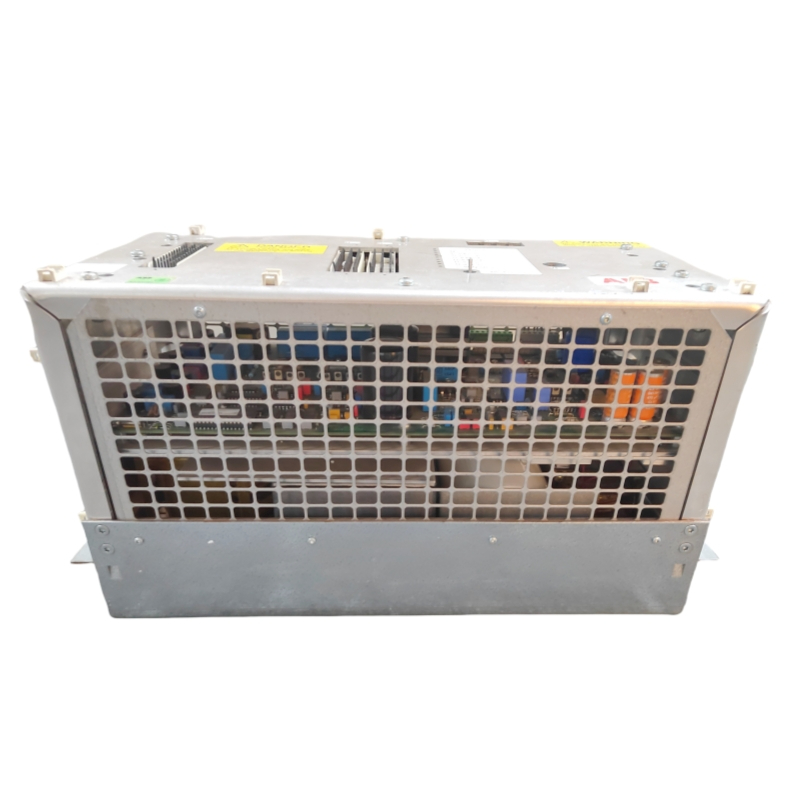
For facility engineers and maintenance planners, the part number ABB PFSA140 RULLM7A 3BSE006503R1 represents a specific mission: ensure operational continuity. This industrial automation module is a workhorse within critical control systems, and its failure can lead to unexpected downtime and costly production losses. This guide moves beyond basic specifications to focus on the practical aspects of sourcing, validating, maintaining, and eventually planning for the lifecycle management of this essential ABB component. We'll explore how to procure it wisely, implement it correctly, and develop a strategy that minimizes risk and maximizes the return on your automation assets.
Decoding the Purchase: Beyond the Part Number
When the need for an ABB PFSA140 RULLM7A module arises, simply ordering by the 3BSE006503R1 number is just the first step. A strategic purchase involves several layers of due diligence. First, confirm the exact hardware revision required by your system. The "RULLM7A" suffix can be critical; a different revision, while seemingly similar, may have firmware or hardware differences that cause incompatibility.
Procurement should prioritize authorized ABB distributors or reputable suppliers with a proven track record in industrial automation parts. Request and verify certificates of authenticity. The market for counterfeit electronic components is a real threat; these parts often fail prematurely and can damage other system elements. Inquire about the module's origin, batch testing, and warranty. A genuine ABB 3BSE006503R1 module, though sometimes carrying a higher initial cost, provides assured performance, safety certifications, and full compatibility, ultimately offering a lower total cost of ownership.
Installation, Troubleshooting, and Proactive Maintenance
Once a verified module is in hand, proper installation is key. Always follow lock-out/tag-out (LOTO) procedures before working on any control cabinet. Handle the module by its edges to prevent ESD damage. Ensure the system is powered down before insertion or removal from the rack or base unit. After physical installation, the module must be recognized and configured within the control system's software. This typically involves using ABB's engineering tools to set parameters, assign it to the correct control network, and download the configuration.
Common issues with I/O modules like the PFSA140 RULLM7A often relate to communication errors, faulty channels, or power problems. System diagnostics will usually flag a module fault. Basic troubleshooting includes verifying the health of the backplane communication, checking the condition of terminal wiring for shorts or breaks, and ensuring the power supply to the rack is stable. Swapping the module with a known-good unit from a non-critical slot (if compatible) is a standard isolation technique. Always document any faults and resolutions for future reference.
Proactive maintenance involves keeping spare modules, especially for critical processes. However, simply stocking a spare is not enough. It should be stored in a controlled, anti-static environment and periodically tested (if possible) to ensure it remains functional. Regularly reviewing system error logs can also provide early warnings of potential module degradation.
Lifecycle Management and Future-Proofing Considerations
Industrial automation technology evolves. While the ABB PFSA140 RULLM7A 3BSE006503R1 is designed for long-term service, it's prudent to understand its lifecycle status. Check ABB's official product notices for announcements regarding "active," "classic," or "discontinued" status. If the module is moving towards a classic or discontinued phase, it's time to develop a strategy.
This may involve purchasing a last-time-buy quantity of spares to cover expected needs for the remaining lifespan of your machinery. Alternatively, it might trigger a broader assessment of modernizing that section of your control system. Sometimes, direct replacements or migration paths to newer module series are offered by the manufacturer. Engaging with an ABB system integrator or lifecycle services expert can provide valuable options for upgrading your infrastructure in a planned, cost-effective manner, rather than in a crisis when a module fails and is no longer available.
Conclusion
Managing critical components like the ABB PFSA140 RULLM7A 3BSE006503R1 effectively requires a blend of technical knowledge and strategic planning. From vigilant, smart sourcing to meticulous installation and proactive maintenance, each step contributes to unmatched system reliability. By viewing this module not just as a replaceable part but as a key node in your operational infrastructure, you can implement practices that prevent downtime, ensure safety, and pave the way for smooth future upgrades. In the world of industrial automation, such foresight is the true marker of operational excellence.