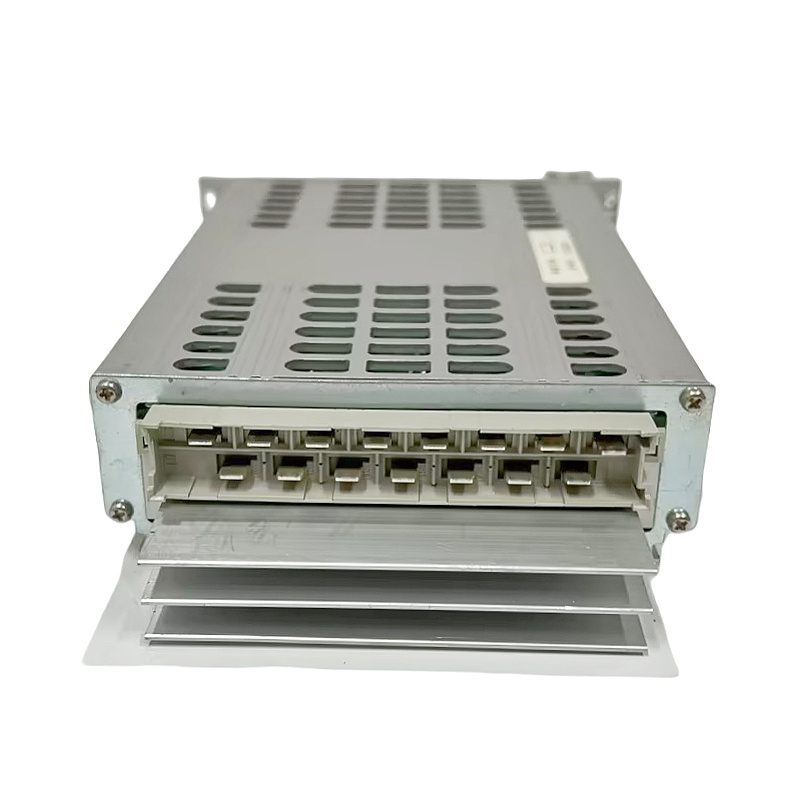

For plant engineers and maintenance managers, few things are more pressing than the failure of a core control component. When a GE WES5120 2340-21003 Control Module shows signs of failure or triggers a system fault, a structured approach to replacement is necessary to resume operations quickly and safely. This guide provides a step-by-step framework, focusing on verification, sourcing, and installation to help you navigate the process efficiently.
Step 1: Accurate Fault Diagnosis and Verification
Before ordering a replacement, confirm that the module itself is the root cause. Misdiagnosis leads to wasted time and resources.
-
Review Error Logs: Check the main drive or PLC system logs for error codes pointing specifically to the module or its I/O channels.
-
Perform Basic Checks: Inspect for obvious signs of damage (burnt components, discoloration). Ensure all ribbon cables and terminal connections are secure and free of corrosion.
-
Check External Conditions: Verify the health of power supplies feeding the module and the signals from connected sensors/actuators. A faulty sensor can send erroneous data that mimics a module failure.
-
Swap Test (if possible): If an identical spare is available in a non-critical part of the plant, a controlled swap test can be definitive. Always follow lock-out/tag-out (LOTO) procedures and have configuration backups ready.
Step 2: Navigating Sourcing Options for the WES5120 2340-21003
Once the module is confirmed faulty, sourcing a replacement involves several considerations.
-
OEM vs. Third-Party: The original equipment manufacturer (OEM) channel guarantees compatibility but can be costly and involve longer lead times. Reputable third-party suppliers specializing in industrial automation parts often offer more competitive pricing and faster shipping on both new-old-stock and refurbished GE WES5120 2340-21003 modules.
-
Refurbished vs. New: A professionally refurbished module from a trusted vendor is a reliable and cost-effective option. Look for suppliers who detail their refurbishment process, which should include thorough cleaning, board-level inspection, replacement of aged capacitors, and full functional testing under simulated load conditions.
-
Supplier Vetting: Choose a supplier with proven expertise in GE components. They should provide technical support, a clear warranty, and documentation of testing. Ask if they can verify the module's firmware version or assist with compatibility questions.
Step 3: Pre-Installation Preparation
The replacement process begins before the new module arrives.
-
Secure Configuration Backup: This is the most critical step. Use the appropriate GE software (e.g., ToolboxST, Drive Explorer) to connect to the functioning system and create a complete backup of all parameters and logic stored on the failing module. Print out a copy for physical records.
-
Document Connections: Take high-resolution photos of the module's wiring and cable connections. Label each cable if possible. This visual guide is invaluable during reinstallation.
-
Prepare the Environment: Power down the system following strict LOTO procedures. Clean the slot and surrounding area in the rack to prevent dust from causing issues.
Step 4: Installation and Commissioning
-
Careful Installation: Gently insert the replacement GE control module WES5120 2340-21003 into its slot, ensuring it is fully seated. Reconnect all cables precisely as documented.
-
Restore Configuration: Before applying full power, if possible, upload the saved configuration file to the new module. In some systems, this may need to be done after a basic power-up.
-
Power-Up and Test: Apply power systematically. Monitor for any immediate fault indicators. Perform a series of controlled, low-speed tests to verify basic functionality before integrating the module back into full automated operation.
-
Monitor Performance: After successful commissioning, monitor the system closely for the next several operating cycles to ensure stability.
Final Thoughts
Replacing a critical component like the GE WES5120 2340-21003 doesn't have to be a major disruption. A methodical approach—centered on accurate diagnosis, choosing a qualified supplier, meticulous preparation, and careful commissioning—turns a potential crisis into a managed maintenance event. By building relationships with knowledgeable parts providers and maintaining disciplined documentation practices, plant teams can ensure their operations remain resilient in the face of component wear and tear.